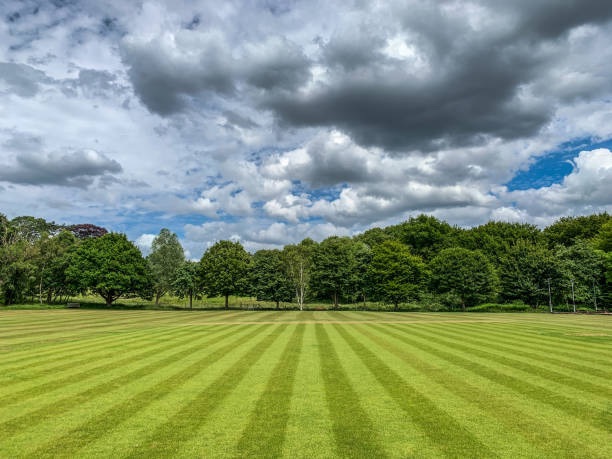
Sustainable Lawn Care 101: Eco-Conscious Tips for a Healthy Lawn Jun 12, 2026
The journey to a sustainable lawn begins with selecting the right type of grass. Opt for native grass species that are well-adapted to your local climate. These grasses require less water, fertilizer, and maintenance. Ground covers like clover can also be a great alternative to traditional turf, enriching the soil with nitrogen and providing habitats for beneficial insects.
Watering is another crucial aspect of sustainable lawn care. Overwatering not only leads to higher water bills but also contributes to runoff, which can carry pollutants into local waterways. Implementing smart irrigation practices, such as using a drip irrigation system or soaker hoses, helps target water directly to the grass roots, reducing wastage. Water your lawn in the early morning or late evening to minimize evaporation.
Fertilizing your lawn doesn't have to involve harsh chemicals. Organic fertilizers, made from natural plant and animal waste, nourish your soil and promote a healthy lawn without the risks associated with synthetic alternatives. Composting is an excellent way to produce your own fertilizer at home. By recycling kitchen waste and lawn clippings, you can create a nutrient-rich compost that enhances soil structure and reduces waste.
Mowing practices also play a significant role in sustainable landscaping. Keep your mower blades sharp to ensure a clean cut, which helps grass recover quickly and efficiently photosynthesize. Mow your grass to a height of around 3 inches; this height promotes deeper root growth and shades the soil, reducing moisture loss and discouraging weed growth. Consider leaving grass clippings on the lawn as natural mulch, which returns nutrients back into the soil as they decompose.
Weed control shouldn't rely solely on chemical herbicides, especially when pursuing eco-conscious gardening. Hand-pulling weeds or using tools like weed pullers can be effective for small outbreaks. Mulching garden beds with organic materials suppresses weeds while retaining soil moisture. If necessary, look for eco-friendly herbicides that target weeds without harming beneficial insects or neighboring plants.
Maintaining biodiversity is another key aspect of sustainable landscaping. By introducing a variety of plants and flowers, you attract pollinators such as bees and butterflies, which are essential for a healthy ecosystem. Native plants are particularly beneficial, as they are best suited for the local environment, requiring less maintenance and providing robust habitats for local wildlife.
In closing, a sustainable lawn not only contributes positively to the environment but also offers a robust and thriving landscape that enhances the beauty of your home. At VL Landscaping, LLC, we are committed to helping you implement these sustainable practices, ensuring your lawn is a source of pride and a model of environmental stewardship. By selecting the right grass, watering wisely, using organic fertilizers, practicing efficient mowing techniques, tackling weeds responsibly, and embracing biodiversity, you can create a stunning yet sustainable outdoor space.
Whether you're starting fresh or transitioning an existing lawn, these eco-conscious tips provide a blueprint for a healthier, more sustainable future. Consider reaching out to VL Landscaping, LLC, for professional advice and services tailored to support your sustainable landscaping goals.
/filters:no_upscale()/filters:format(webp)/media/dd96f6cf-95c5-459d-94e9-824b00a2a468.jpeg)
/filters:no_upscale()/filters:format(webp)/media/9c402c78-473e-4941-b360-da83cc32d4b5.jpeg)